
Choosing the right approach to effective download file management starts with clear context, practical filters, and realistic expectations.
Introduction to Download File Managers
Download file managers are essential tools for anyone who frequently downloads files from the internet. These tools help to streamline the download process, making it easier to manage and organize files on your computer. With a good download file manager, you can save time and reduce the risk of losing or misplacing important files.
Benefits of Using a Download File Manager Using a download file manager can bring numerous
benefits to your workflow. For one, it allows you to prioritize and schedule downloads, ensuring that your most important files are downloaded first. Additionally, a good download file manager can help to prevent viruses and malware from infecting your computer by scanning files for threats before they are downloaded.
Common Features of Download File Managers
Most download file managers come with a range of features that make it easy to manage and organize your files. These features may include:
- Support for multiple download protocols
- Ability to pause and resume downloads
- Automatic virus scanning
- File organization and categorization
- Download scheduling
Top Download File Managers
Here are some of the

- top download file managers available:
- Free Download Manager: A free, open-source download manager that supports multiple download protocols and allows for file organization and categorization.
- Internet Download Manager: A popular download manager that supports multiple download protocols and includes features such as automatic virus scanning and download scheduling.
- Downloader for X: A download manager designed specifically for macOS users, which includes features such as automatic virus scanning and file organization.
- EagleGet: A free download manager that supports multiple download protocols and includes features such as automatic virus scanning and download scheduling.
- Xtreme Download Manager: A free, open-source download manager that supports multiple download protocols and includes features such as automatic virus scanning and file organization.
Choosing the Right Download File Manager With so many download file managers available, it can be difficult to choose the right one for your needs. When selecting a download file manager, consider the following factors:
- Compatibility: Make sure the download file manager is compatible with your operating system and browser.
- Features: Consider the features that are most important to you, such as automatic virus scanning and download scheduling.
- Price: Download file managers can range from free to paid, so consider your budget when making a decision.
Practical Examples of Download File
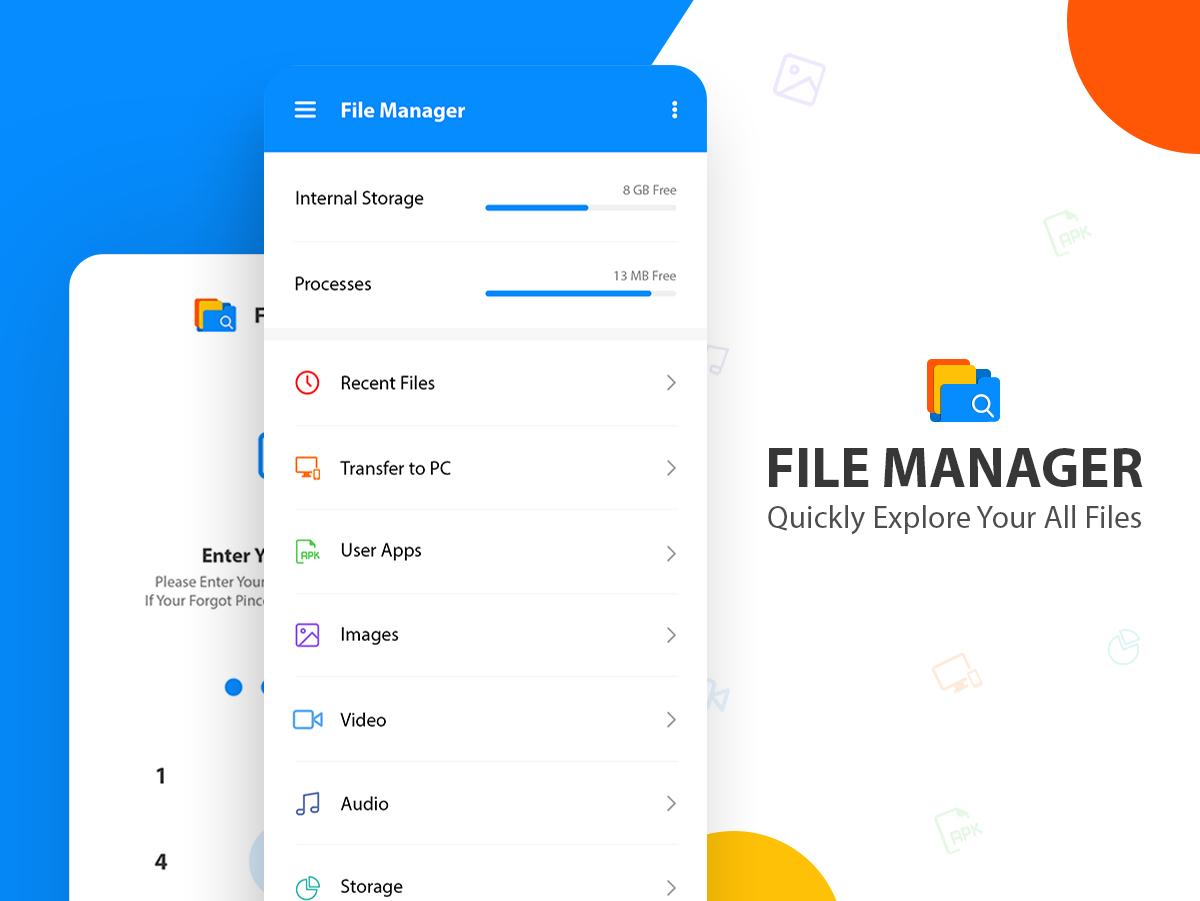
Managers in Use Download file managers can be used in a variety of situations, such as:
- Managing large files: Download file managers can help to streamline the download process for large files, such as videos and software programs.
- Organizing files: Download file managers can help to keep your files organized and categorized, making it easier to find what you need.
- Preventing viruses: Download file managers can help to prevent viruses and malware from infecting your computer by scanning files for threats before they are downloaded.
Limitations of Download File Managers
While download file managers can be incredibly useful, they are not without their limitations. For example:
- Some download file managers may not be compatible with all browsers or operating systems.
- Some download file managers may not include all of the features that you need, such as automatic virus scanning or download scheduling.
- Some download file managers may be more difficult to use than others, particularly for those who are not tech-savvy.
Conclusion
In conclusion, download file managers are essential tools for anyone who frequently downloads files from the internet.
By choosing the right download file manager for your needs, you can streamline your workflow, boost productivity, and reduce the risk of losing or misplacing important files.