Choosing the right approach to entering bios made easy starts with clear context, practical filters, and realistic expectations.
Introduction to BIOS The Basic Input/Output System (BIOS) is a crucial part of your computer's setup, controlling the flow of data between the operating system and hardware components.
Entering the BIOS can seem daunting, but it's essential for troubleshooting, configuring hardware, and optimizing system performance.
Why Enter BIOS? There are several reasons to enter the
BIOS, including:
Boot Order Configuration Changing the
boot order to prioritize the correct device, such as the primary hard drive or a USB drive, is essential for installing a new operating system or booting from an external device.
Hardware Configuration The BIOS allows you to configure
hardware settings, such as enabling or disabling devices, setting fan speeds, and adjusting voltage levels.
Troubleshooting Entering the BIOS can help diagnose issues
with hardware components, such as faulty
RAM or a malfunctioning graphics card.
Preparing to Enter BIOS Before entering the BIOS, ensure you:
Save Any Open Work
Save any open documents or applications to prevent data loss.
Connect a Keyboard Ensure a keyboard is connected, as the
BIOS may not respond to mouse input.
Restart Your Computer
Restart your computer to access the BIOS setup.
BIOS Access Methods The method to enter the
BIOS varies depending on the computer manufacturer and model:
Common Keys
Common keys used to access the BIOS include F2, F12, DEL, and ESC.
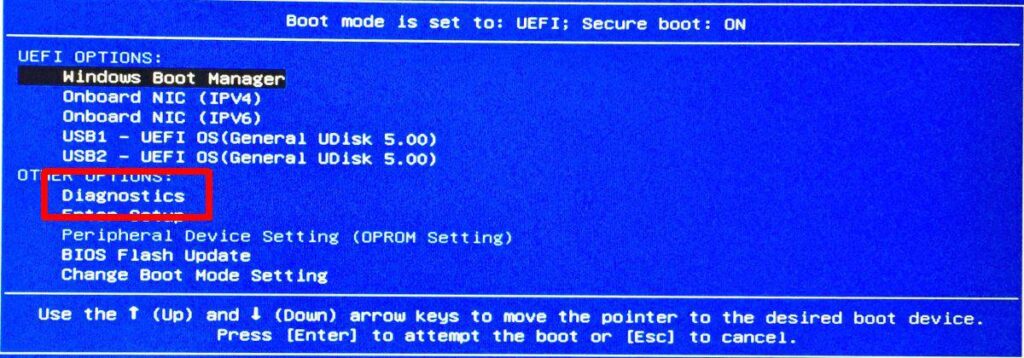
UEFI Firmware Newer computers
with
UEFI firmware may use a different method, such as pressing the Windows key + C and selecting the Settings icon.
Navigating the BIOS Once inside the
BIOS, navigate using the keyboard and on-screen instructions:
Main Menu The
main menu displays system information, such as the processor type, memory amount, and storage devices.
Advanced Settings The
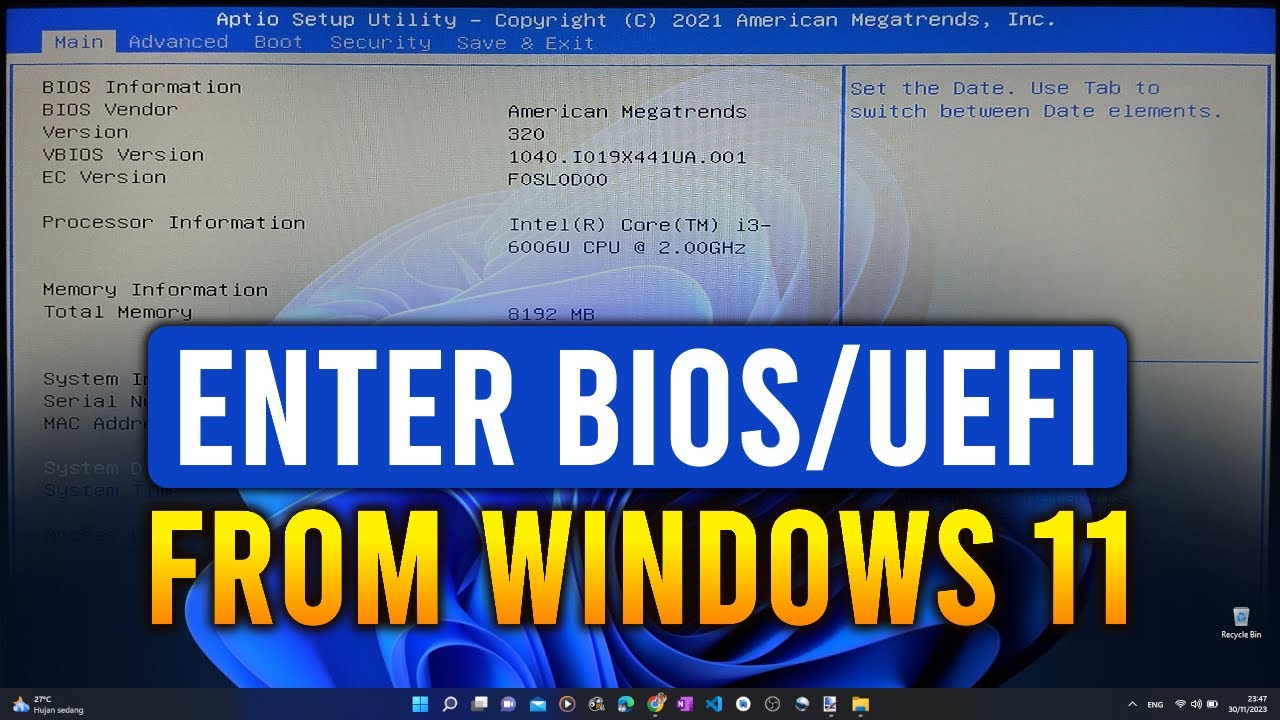
advanced settings menu allows you to configure hardware settings, such as fan speeds and voltage levels.
Save and Exit
Save any changes and exit the BIOS setup to apply the new settings.
Common BIOS Settings Some common
BIOS settings include:
Boot Order Configuring the
boot order to prioritize the correct device.
Secure Boot Enabling or disabling Secure
Boot to control which operating systems can be installed.
Hardware Monitoring Monitoring
hardware temperatures, fan speeds, and voltage levels.
BIOS Tools and Software Some popular
- BIOS tools and software include:
- UEFI Tool: A utility for managing UEFI firmware settings.
- BIOS Editor: A tool for editing BIOS settings and configurations.
- HWiNFO: A hardware information and monitoring tool.
- CPU-Z: A tool for monitoring CPU temperatures and voltage levels.
- GPU-Z: A tool for monitoring GPU temperatures and performance.
Conclusion
Entering the BIOS can seem intimidating, but with practice and patience, you'll become proficient in navigating and configuring your computer's settings.
Remember to save any changes and exit the BIOS setup to apply the new settings.