Choosing the right approach to fixing fortnite lag on pc starts with clear context, practical filters, and realistic expectations.
Introduction to Fortnite Lag
Fortnite is a popular online multiplayer game that requires a significant amount of system resources to run smoothly. However, many players experience lag, which can be frustrating and affect their gaming performance. Lag can be caused by a variety of factors, including outdated graphics drivers, insufficient system resources, and poor internet connectivity.
Understanding System Requirements To play
Fortnite without lag, it's essential to ensure that your PC meets the system requirements. The minimum system requirements for Fortnite include a 2.4 GHz processor, 8 GB of RAM, and a NVIDIA GeForce GTX 660 or AMD Radeon HD 7870 graphics card. However, to play the game at higher settings, you'll need a more powerful PC with a faster processor, more RAM, and a better graphics card.
Checking System Specifications To check your system specifications, you can use the following methods:
- Press the Windows key + R to open the Run dialog box, type "dxdiag," and press Enter.
- Click on the "System" tab to view your system specifications.
- Alternatively, you can use the "msinfo32" command to view your system information.
Optimizing Graphics Settings
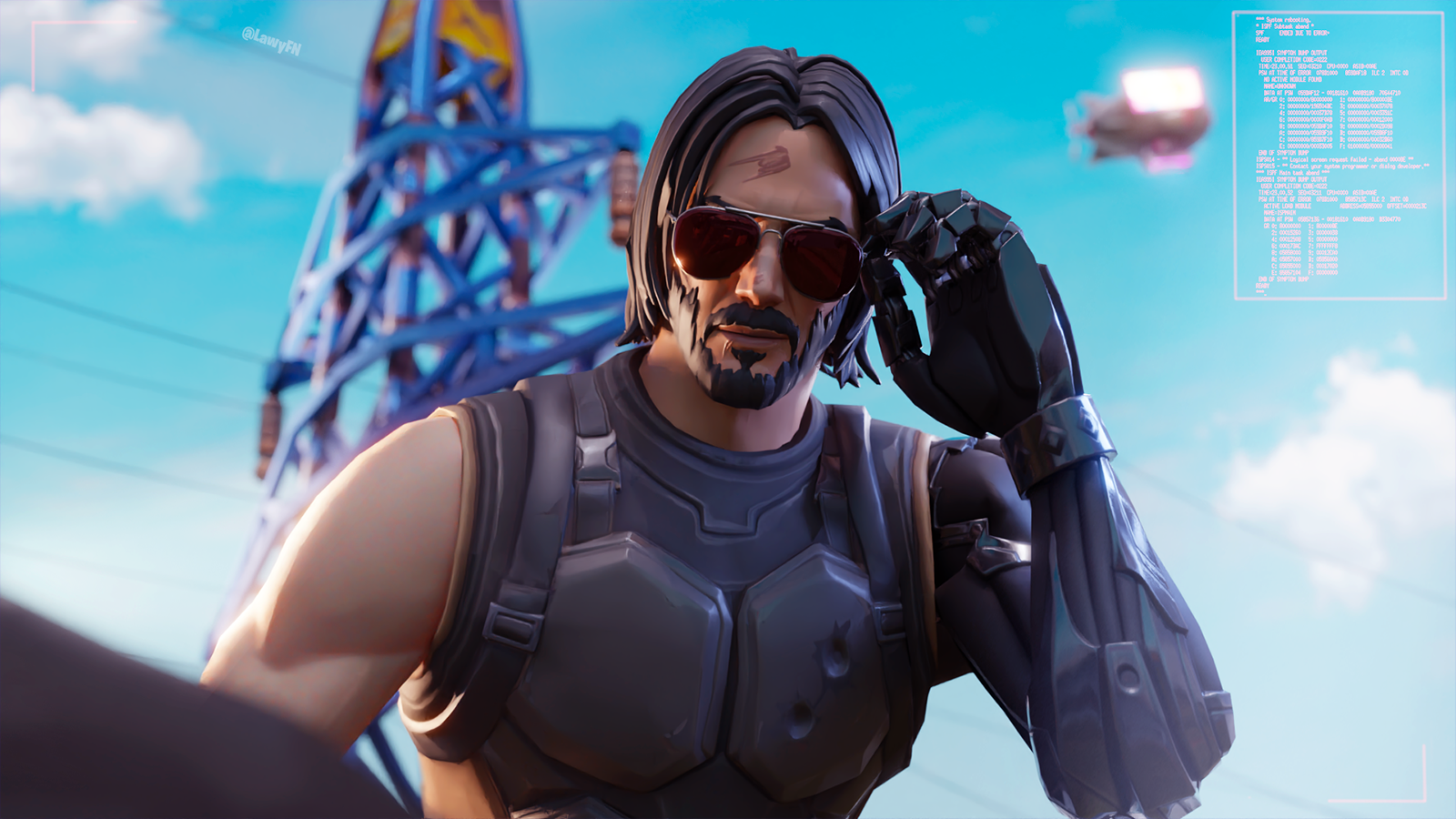
Optimizing your graphics settings can help reduce lag and improve your gaming performance. Here are some tips to optimize your graphics settings:
- Reduce the graphics quality to a lower setting, such as "Medium" or "Low."
- Turn off features like motion blur, anti-aliasing, and shadows.
- Reduce the resolution to a lower setting, such as 1080p or 900p.
Updating Graphics Drivers Outdated graphics drivers can cause lag and affect your gaming performance.
To update your graphics drivers, follow these steps:
- Go to the manufacturer's website, such as NVIDIA or AMD.
- Search for the latest graphics drivers for your graphics card.
- Download and install the latest drivers.
Closing Unnecessary Programs
Closing unnecessary programs can help free up system resources and reduce lag. Here are some tips to close unnecessary programs:
- Press the Ctrl + Shift + Esc keys to open the Task Manager.
- Click on the "Processes" tab to view a list of running programs.
- Right-click on any unnecessary programs and select "End Task" to close them.
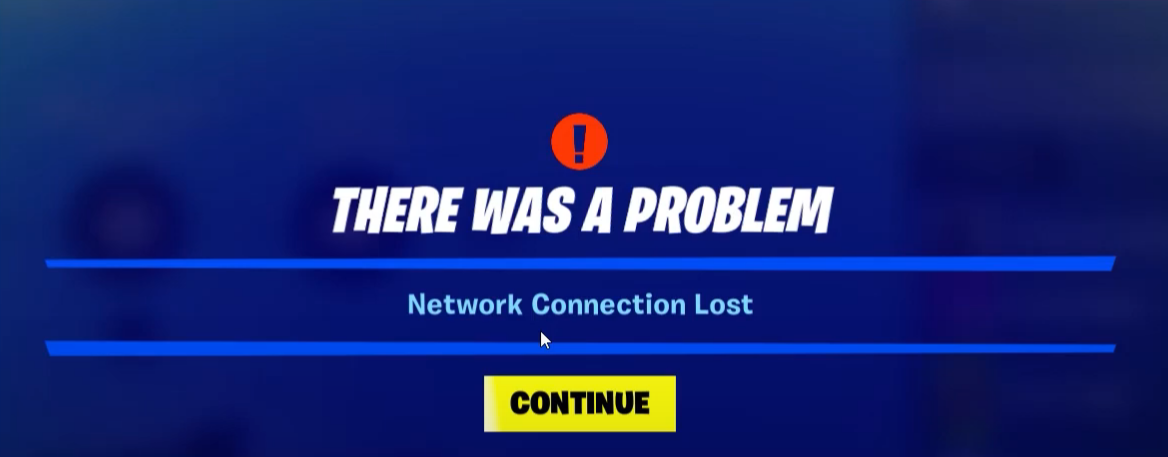
Internet Connectivity and Lag Poor
internet connectivity can cause lag and affect your gaming performance. Here are some tips to improve your internet connectivity:
- Use a wired internet connection instead of Wi-Fi.
- Close any unnecessary programs that are using bandwidth.
- Upgrade your internet plan to a faster speed.
Tips for Reducing Lag Here are some additional
tips to reduce lag:
- Use a high-performance SSD instead of a traditional hard drive.
- Upgrade your RAM to 16 GB or more.
- Use a graphics card with more VRAM, such as 4 GB or 6 GB.
Common Mistakes to Avoid Here are some
common mistakes to avoid when trying to reduce lag:
- Overclocking your graphics card or processor, which can cause overheating and damage.
- Using outdated or corrupted drivers, which can cause system crashes and lag.
- Not closing unnecessary programs, which can consume system resources and cause lag.
Options for PC Optimization Here are some
options for PC optimization:
- NVIDIA GeForce Experience: A software that optimizes your graphics settings and updates your drivers.
- AMD Radeon Software: A software that optimizes your graphics settings and updates your drivers.
- CCleaner: A software that cleans up temporary files and registry entries.
- Malwarebytes: A software that scans for malware and viruses.
- Disk Cleanup: A built-in Windows tool that cleans up temporary files and system files.
Conclusion Reducing lag on PC
Fortnite requires a combination of optimizing your graphics settings, updating your graphics drivers, closing unnecessary programs, and improving your internet connectivity. By following these tips and avoiding common mistakes, you can improve your gaming performance and enjoy a smoother Fortnite experience.
Frequently Asked Questions
- What are the minimum system requirements for Fortnite?
- The minimum system requirements for Fortnite include a 2.4 GHz processor, 8 GB of RAM, and a NVIDIA GeForce GTX 660 or AMD Radeon HD 7870 graphics card.
- How can I update my graphics drivers?
- You can update your graphics drivers by going to the manufacturer's website, searching for the latest drivers, and downloading and installing them.
- What can cause lag in Fortnite?
- Lag in Fortnite can be caused by a variety of factors, including outdated graphics drivers, insufficient system resources, and poor internet connectivity.
- How can I optimize my graphics settings?
- You can optimize your graphics settings by reducing the graphics quality, turning off features like motion blur and anti-aliasing, and reducing the resolution.
- What are some common mistakes to avoid when trying to reduce lag?
- Common mistakes to avoid when trying to reduce lag include overclocking your graphics card or processor, using outdated or corrupted drivers, and not closing unnecessary programs.
- How can I improve my internet connectivity?
- You can improve your internet connectivity by using a wired internet connection, closing any unnecessary programs that are using bandwidth, and upgrading your internet plan to a faster speed.
- What are some options for PC optimization?
- Some options for PC optimization include NVIDIA GeForce Experience, AMD Radeon Software, CCleaner, Malwarebytes, and Disk Cleanup.